
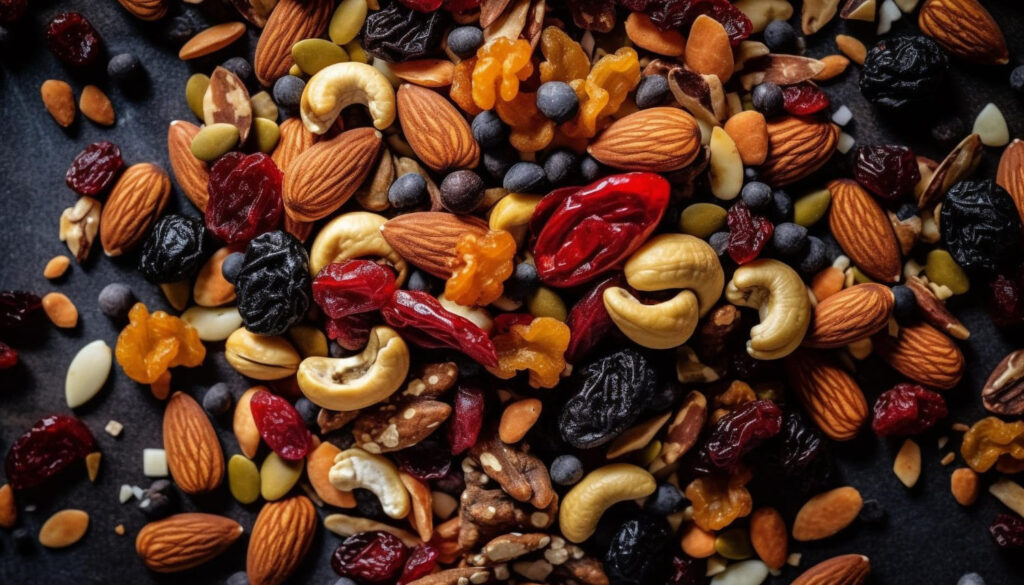
Dry fruits are a powerhouse of nutrients, offering an array of health benefits. They are not only delicious but also an excellent way to boost your daily intake of essential vitamins, minerals, and antioxidants. This guide will help you choose the best dry fruits for your daily nutrition, ensuring you make informed and healthy choices.
Why Include Dry Fruits in Your Diet?
Dry fruits are nutrient-dense, making them a convenient snack option for people of all ages. Here are a few reasons to include them in your daily diet:
- Rich in Nutrients: Packed with vitamins like A, B, and E, and minerals like iron, calcium, and magnesium.
- Antioxidant Powerhouses: Help fight free radicals and prevent chronic diseases.
- Energy Boosters: Provide a quick source of energy due to their natural sugars.
- Weight Management: High in fiber, they promote satiety and aid in digestion.
- Heart Health: Contain healthy fats that support cardiovascular health.
Popular Dry Fruits and Their Nutritional Benefits
1. Almonds
Almonds are rich in Vitamin E, magnesium, and healthy fats. They promote brain health, reduce bad cholesterol, and improve skin health.
- How to Include: Add them to smoothies, salads, or eat a handful as a snack.
2. Walnuts
Known for their high omega-3 fatty acid content, walnuts are excellent for brain health and reducing inflammation.
- How to Include: Mix them into oatmeal or use them as a topping for desserts.
3. Cashews
Cashews are a good source of protein, magnesium, and iron. They support bone health and boost energy levels.
- How to Include: Use them in curries, stir-fries, or enjoy roasted cashews as a snack.
4. Raisins
Raisins are dried grapes that are rich in iron, potassium, and natural sugars. They help improve digestion and boost energy.
- How to Include: Add them to cereals, desserts, or trail mixes.
5. Dates
Dates are high in natural sugars, fiber, and potassium. They support digestive health and act as a natural sweetener.
- How to Include: Use them in smoothies, energy bars, or as a quick snack.
6. Pistachios
Pistachios are loaded with antioxidants, protein, and healthy fats. They are great for heart health and weight management.
- How to Include: Eat them as a snack or add them to yogurt and desserts.
7. Figs
Figs are high in calcium, potassium, and dietary fiber. They support bone health and aid in digestion.
- How to Include: Enjoy them dried or soak them overnight for a softer texture.
Tips for Choosing High-Quality Dry Fruits
- Check for Freshness: Avoid dry fruits with a rancid smell or stale taste.
- Opt for Unsweetened Varieties: Avoid those coated with added sugars.
- Look for Organic Options: Organic dry fruits are free from pesticides and chemicals.
- Examine Packaging: Choose vacuum-sealed or airtight packaging to ensure freshness.
- Buy in Small Quantities: To prevent spoilage, buy what you can consume within a month.
How to Store Dry Fruits
Proper storage is essential to maintain the quality and freshness of dry fruits:
- Use Airtight Containers: Keep them in glass jars or airtight containers.
- Store in a Cool Place: Avoid exposure to heat and sunlight.
- Refrigerate if Necessary: Nuts like walnuts and almonds last longer when refrigerated.
How Much to Consume Daily?
Moderation is key when it comes to dry fruits. Here is a general guideline:
- Almonds: 8-10 per day
- Walnuts: 2-4 halves per day
- Cashews: 4-5 per day
- Raisins: 10-12 per day
- Dates: 1-2 per day
- Pistachios: 15-20 per day
- Figs: 1-2 per day
Conclusion
Incorporating dry fruits into your daily diet is a simple yet effective way to improve your overall nutrition. By choosing high-quality varieties and consuming them in moderation, you can enjoy their numerous health benefits. Start your journey to better health today by adding a mix of these nutrient-dense superfoods to your meals and snacks. Your body will thank you!r box of fresh, organic sapota, guava, and coconuts. Your journey to healthier living starts here!